About ECS
Built by someone who spent 21 years developing people.
ECS Human Development exists to help people discover what they're capable of — and then practice it until it holds.
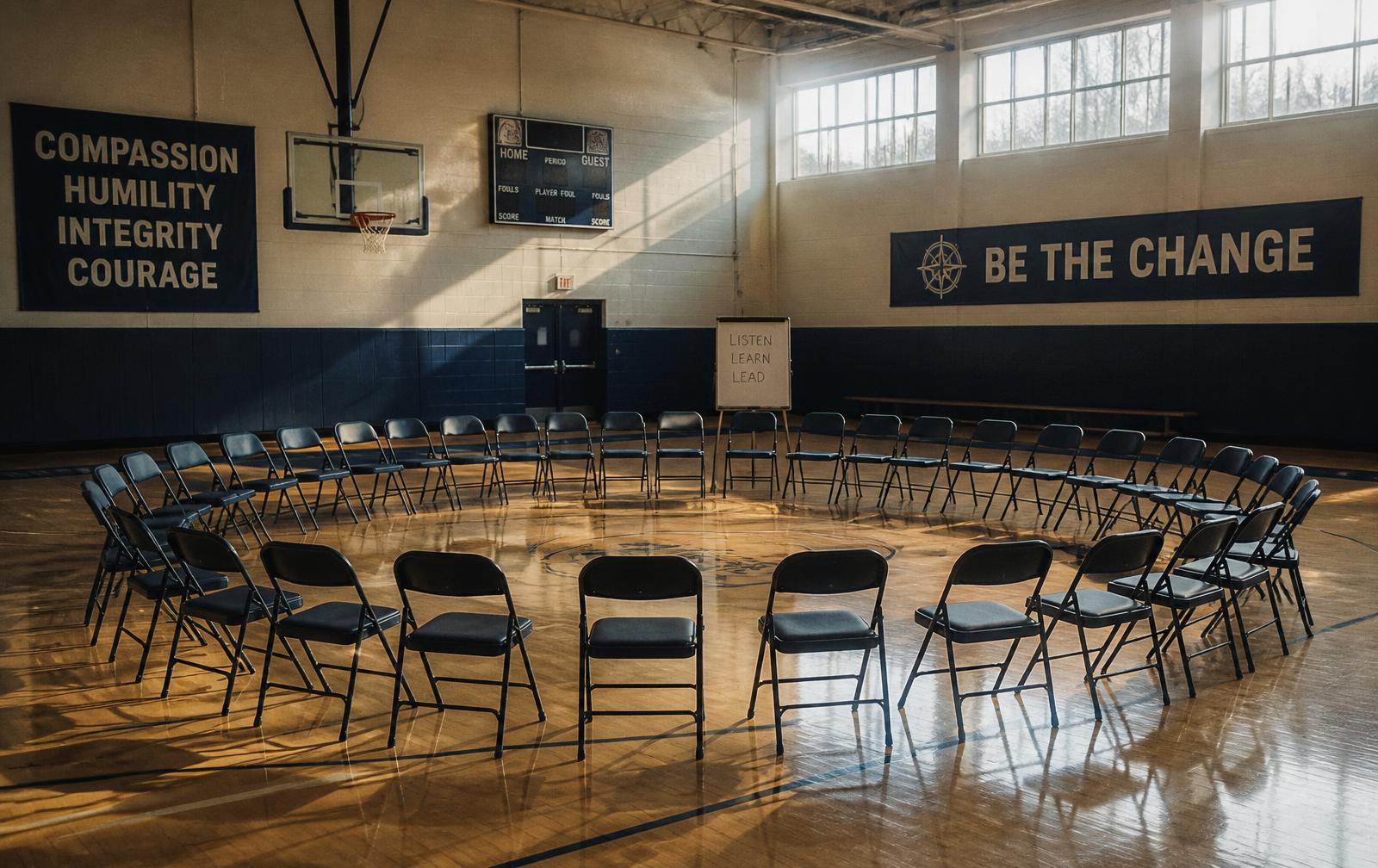
The founder
A career spent in the room
I served 21 years in the United States Navy and retired as a Master Chief. Most of that career wasn't about equipment or operations. It was about people — young sailors, far from home, learning to make decisions that mattered.
I learned that potential is rarely the problem. Most people are capable of far more than they've been asked for. What's usually missing is a standard, a plan, and someone willing to tell them the truth and stay.
After the Navy, I earned an MBA and became a Certified MBTI Practitioner. Those gave me the language and the tools to do the same work outside a uniform. I founded ECS Human Development to bring it to athletes, coaches, families, and organizations.
Background
Credentials matter only because of what they let us do for you.
21 years, United States Navy
Two decades of leading sailors through real consequences, in real conditions.
Retired Master Chief
The Navy's senior enlisted rank — earned by developing people, not by talking about it.
MBA
Formal training in strategy, finance, and how organizations actually make decisions.
Certified MBTI Practitioner
Qualified to help people understand how they think, communicate, and decide.
The philosophy
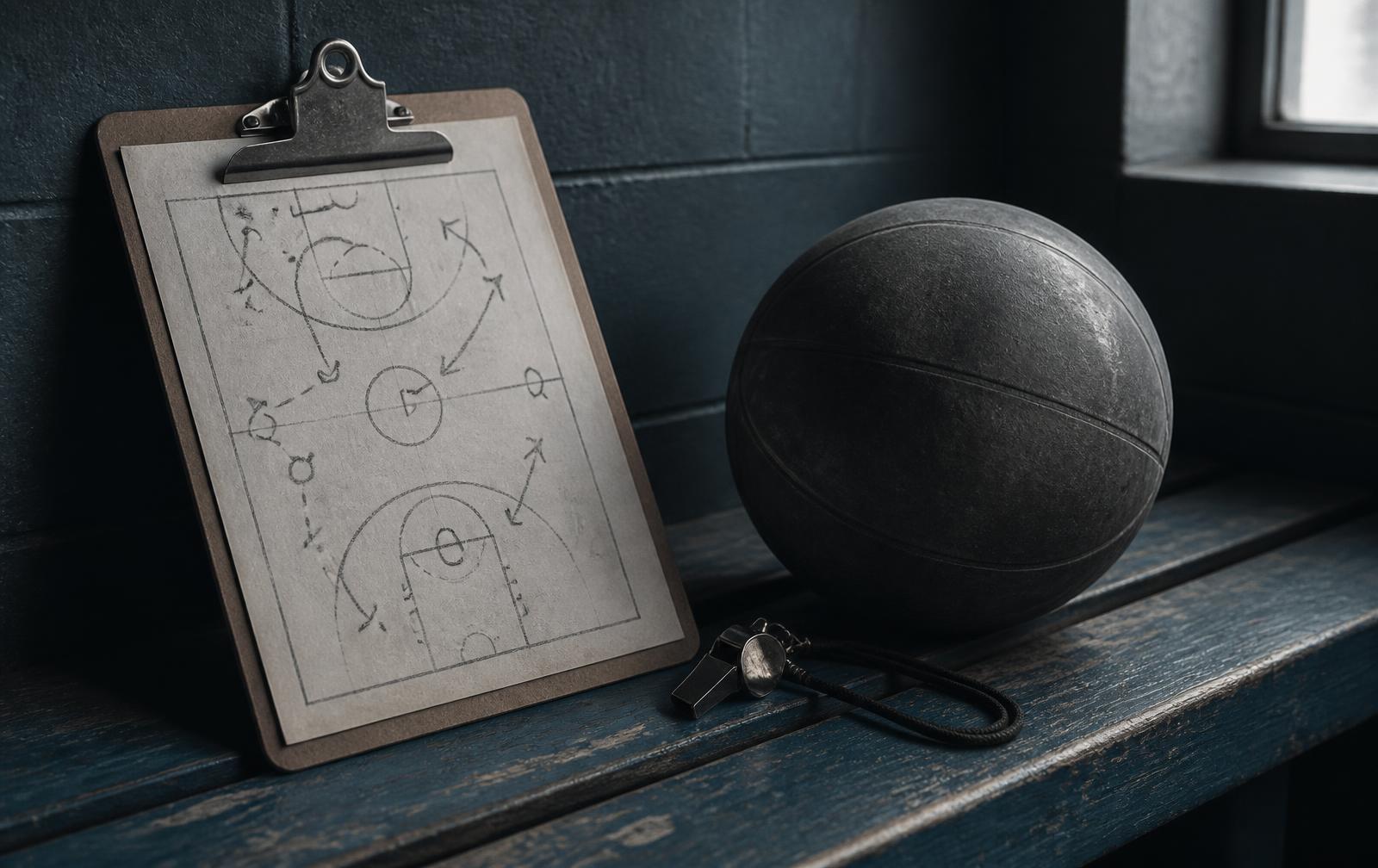
Point Guard Leadership
The best point guard on the floor isn't always the best scorer. They see the whole floor, make the call under pressure, and set up the people around them.
That's the kind of leader we develop — self-aware, clear in communication, accountable, and in service of the group. Sport is simply where it's easiest to practice.
What we believe
Development is a system, not a speech
Motivation fades. Structure compounds. Every session has a standard, a practice, and a reflection.
Character is trainable
Integrity and composure are habits built in repetition — the same way a jump shot is.
Relationships carry the work
Nothing moves without trust. We keep groups small so no one is anonymous.
We think in decades
The scoreboard is short-term feedback. We measure the person years after the season ends.
Want to know if we're a fit?
Start with a short conversation. No pitch, no pressure.